


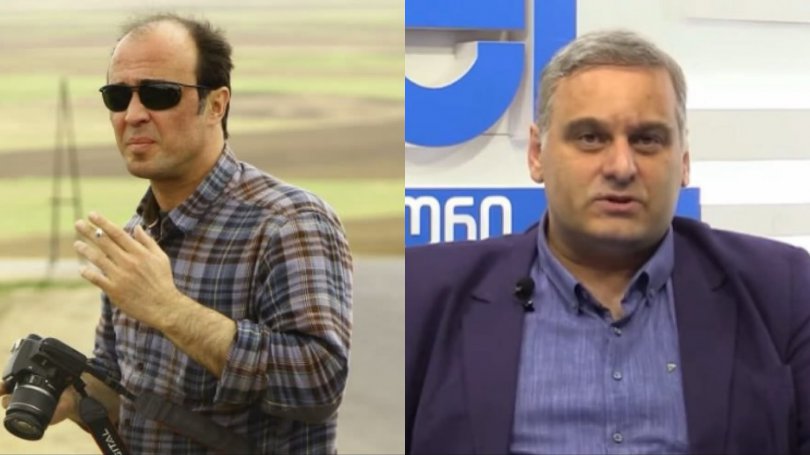
A Tbilisi court has ordered the pre-trial detention of two men on espionage charges, including a prominent journalist and civil society activist whom RFE/RL says authorities appear to suspect of spying for an unnamed European country.
The June 1 hearings were held behind closed doors because both cases have been classified. The defendants, journalist Irakli Chikhladze and pro-Russian activist Gulbaat Rtskhiladze, face charges under Georgia's espionage statute, which carries a prison sentence of eight to twelve years.
Authorities have not identified the countries involved. However, RFE/RL's Georgian service concluded from public statements by senior officials that Chikhladze's case is likely linked to an unnamed European state. The outlet noted that officials connected his case to that of former government communications official Giorgi Udzilauri, who was arrested in May and whom authorities said was accused of spying for "one of Europe's large countries."
The arrest is notable because European countries have traditionally been viewed in Georgia as strategic partners rather than hostile intelligence adversaries. Critics cited by RFE/RL have argued that the recent espionage investigations may be intended to demonstrate balance by targeting both alleged Western-linked and pro-Russian networks.
Rtskhiladze, head of the Eurasia Institute, is a marginal but long-time pro-Russian activist known for promoting closer ties with Russia and opposing what he describes as "Russophobia" in Georgia. According to the investigation, he is accused of spying for Russia and a second foreign country that has not been identified.
Chikhladze is the founder of the Caucasus Center for Civic Hearings, an organization focused on issues related to Russian occupation, regional conflicts, and dialogue initiatives in the South Caucasus. His brother, journalist Giga Chikhladze, was killed by Russian forces during the 2008 Russia-Georgia war.
Neither prosecutors nor the State Security Service have released evidence supporting the allegations, and defense lawyers are barred from discussing details because the cases remain classified.


 დახურვა